Showing posts with label Hollis Moore. Show all posts

November 26, 2016

Is this what mars is like?

By Hollis Moore
White Sands National Monument, NM
October 31, 2016

20161026_whitesands_solo_hlm_mbz_0022.jpg

20161026_whitesands_solo_hlm_mbz_0074.jpg


20161026_whitesands_solo_hlm_mbz_0041.jpg


20161026_whitesands_solo_hlm_mbz_0068.jpg

20161026_whitesands_solo_hlm_mbz_0072.jpg


November 22, 2016

Corals to water snakes to bobcats oh my!

By Hollis Moore
Big Bend State Park, TX
October 31, 2016


../riowalk.jpg

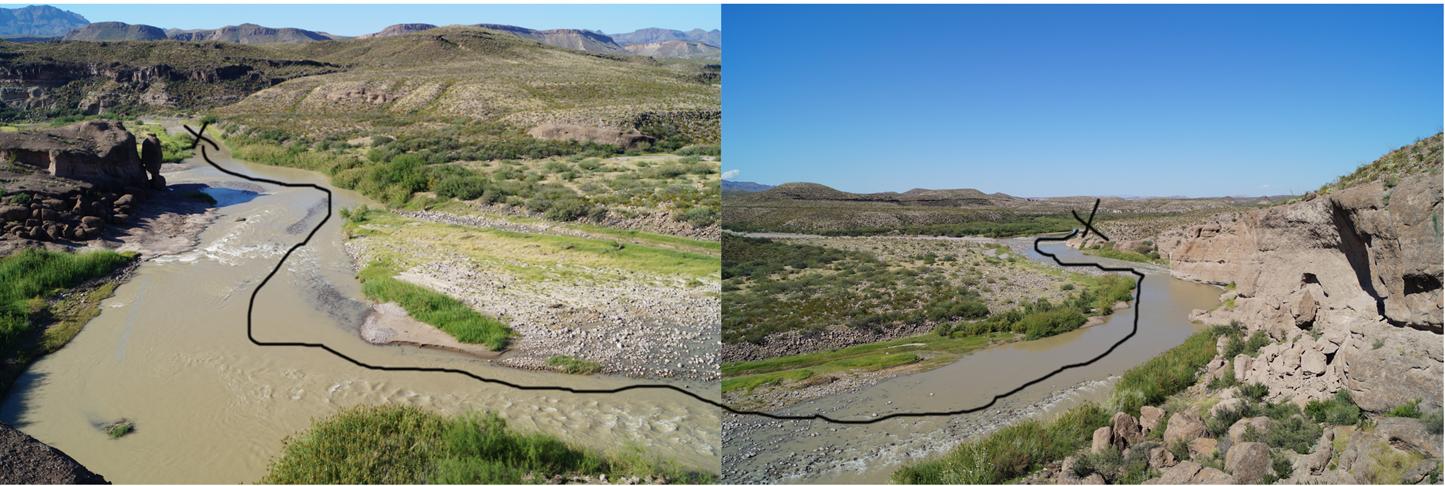
I walked up the Rio Grande from X to X (see above photo). The walk was an action to remember what lives downstream…A suggestion to find common ground in a split landscape by thinking about what two countries share… A walk up instead of across.

The Rio Grande at this point becomes the border between Texas and Mexico until it reaches the Gulf of Mexico. It is here in Big Bend, that Energy Transfer Partners is planning on installing the Trans-Pecos pipeline underneath the Rio Grande. The pipeline will be near enough to groundwater and surface water that if it explodes or leaks it will cause an environmental disaster.

The Rio Grande’s mouth is in the Gulf of Mexico. I wonder how the river acts as a lifeline for the Gulf, which is still recovering from the Deepwater Horizon Oil spill? Maybe it helps to flush out the contaminated salt water and sediment? If the Rio Grande does act like vein to the Gulf of Mexico, then why would we risk contaminating the Rio Grande (more than it already is)?

With these questions on my mind I walked upstream to give a voice to the marine animals and plants of the Gulf. I thought about the animals and plants I encountered over the summer while volunteering for a coral restoration project. Maybe the stories of the victims from one environmental disaster can help prevent another.

What I didn’t know during my walk was what animals I would encounter along the way. The water was too filled with milky, green sediment for me to look into the river. I noticed some dark, slithery creatures skirt away as I walked closer-probably river otters. I heard a couple of splashes and once stepped on something moving-most likely trout or catfish. I also saw something that looked like the head of a turtle, which may have been the Rio Grande slider. Or, much to my startled dismay could have been any of the dozens snakes that live in the area. Apparently all snakes can swim and rattlesnakes can even swim underwater!

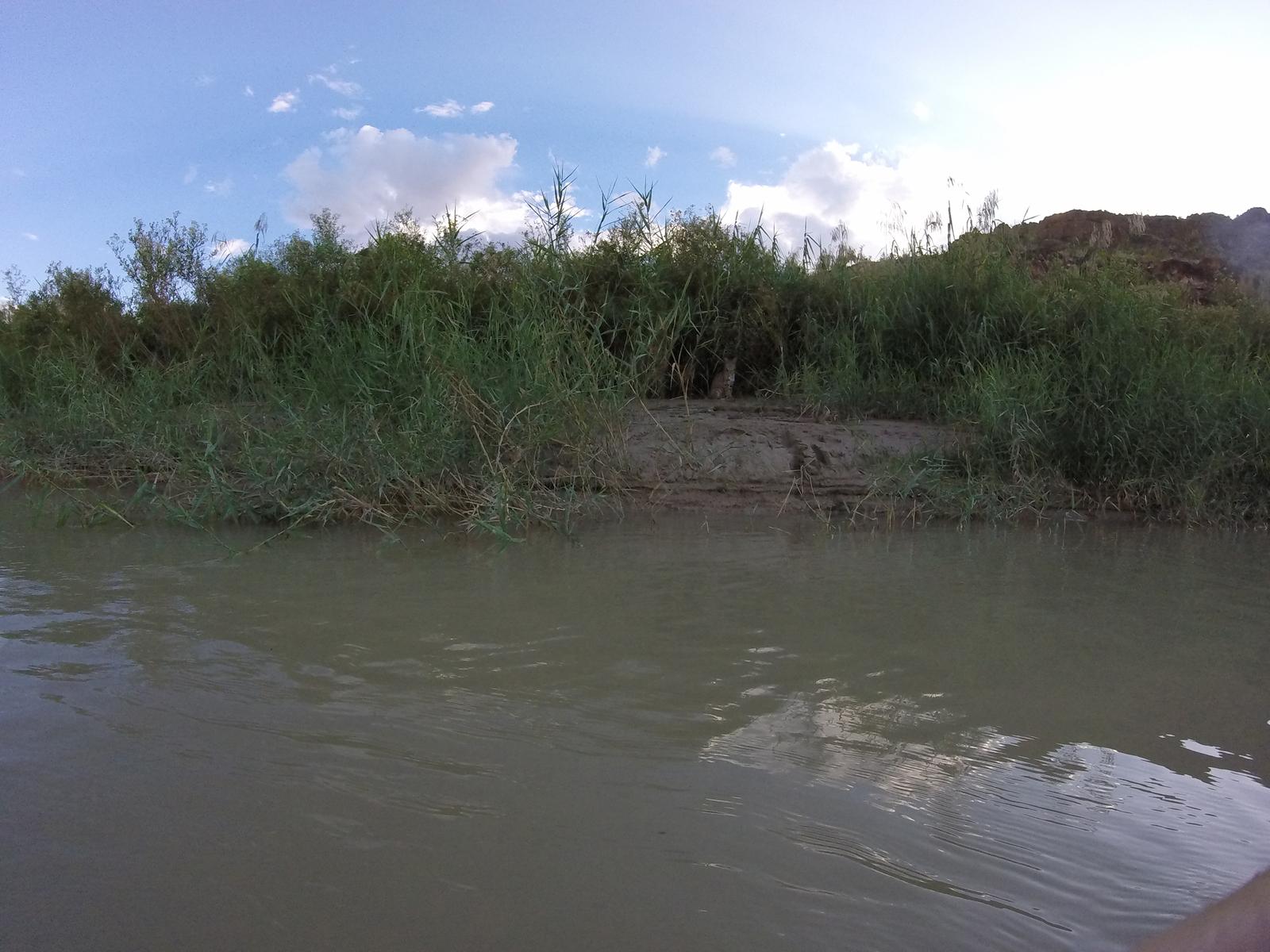
Most exciting though was my encounter with a bobcat. As dusk, on the Mexican side of the Rio Grande, something caught my eye. I don’t know how long the bobcat had been watching me, but when I noticed it we looked at each other for several minutes. I thought the bobcat looked curious. Inside I felt enthralled, but also calm and honestly quite comfortable. I will remember the bobcat always.

20161024_bigbend_solo_hlm_hlm_0172.jpg


The bobcat, the river otters, fish, turtles, swimming serpents, and birds, that I met during my upstream walk deserve a voice before the Trans-Pecos pipeline is installed. This is a wild, prosperous desert ecosystem in Bend Bend and we cannot let the oil and gas companies obliterate the wildlife as they did to the dolphins, whales, birds, fish, corals, and sea turtles in the Gulf during the Deepwater Horizon oil spill.

November 12, 2016

Pipeline Picnic

By Hollis Moore
Marfa/ Trans-Pecos Pipeline, TX
October 31, 2016

../20161018_marfa_HaR_0146.jpg

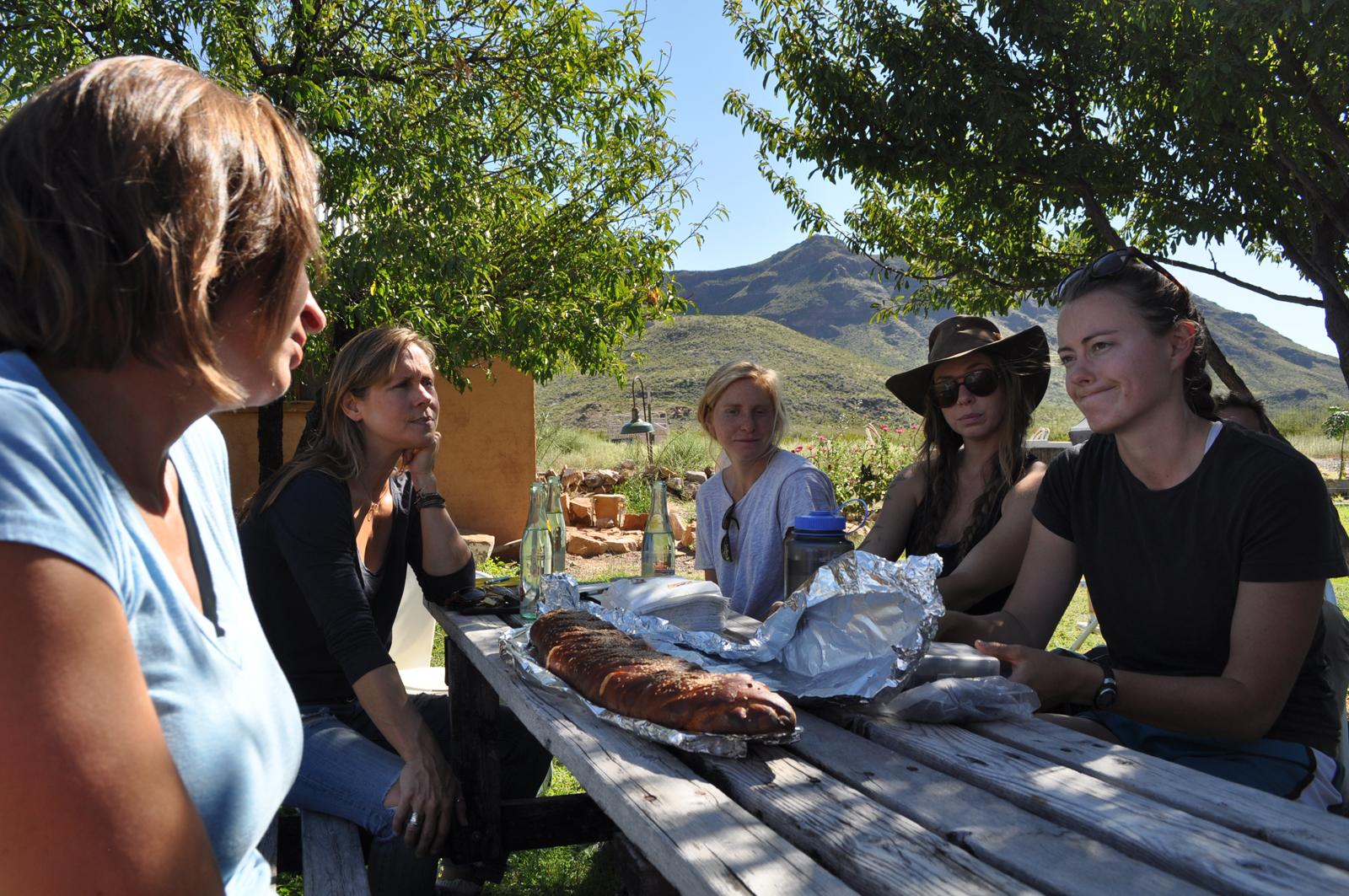
In this photo I am caught in action.  (I’m in the gray shirt sitting at the end of the table with a very focused gaze). This was the moment I decided to break my vegetarian diet to eat the sandwich presented to our group by Robert Luhan, an activist and artist, during a Pipeline picnic dialogue. The sandwich came from Don Jose Panaderia in Presidio, TX and is a fantastic meat and cheese filled braid of delicious goodness.

Sharing food is the keystone to opening a comfortable space for conversation. Our Land Arts group shared lunch with Lori, Nicole, Alice, and Roberto, all activists involved with Defend Big Bend. Over the course of devouring the 36” sandwich we learned about the development of the Trans-Pecos pipeline and its impact on the Trans-Pecos area socially, politically, and environmentally. These leaders of the grassroots, volunteer movement Defend Big Bend are incredibly passionate and intelligent trailblazers, committed to rebuilding fractured communities and preserving the land for generations to come.

Our group sharing a Don Jose Panaderia sandwich with Lori, Nicole, Alice, and Roberto was a way to bridge our two communities. A collective meal is rooted in reality, it is an embodied experience, and an attention to the present moment. The simple act of taking time to sit, eat, and chat together created an experience I will always remember and a responsibility to pass along and act on what I learned.


If you are interested in learning more about Defend Big Bend sign up for the blog here: http://www.defendbigbend.org/

November 6, 2016

Keep the Gila Wild

Hollis Moore
Gila Wilderness, NM
October 31, 2016


From where we camped in the Gila Wilderness the only trail to follow the Gila River is to walk straight upstream. I learned from walking the river that it’s snaking bends and turns curl back on themselves almost every quarter mile. Once I was in the river there wasn’t necessarily an easy way out. The edges are defined by steep canyon walls, thick networks of Riparian ecosystems, and a few sandy beaches. Willows, sycamores, and tall grasses provide homes for snakes, birds, javelina, and many more animals.

untitled%20folder/20161014_gila_solo_hlm_hlm_0078.jpg

By walking the Gila, I allowed the river to lead me along its wild path. The fantastically meandering route is one that only a few rivers left in the United States still experience.  The Gila River is the last major free flowing rivers in New Mexico. The river’s headwaters inspired the Mogollon cultures to claim the Gila corridors as a home and build the Gila Cliff Dwellings. Years later the environmentalist Aldo Leopold named the Gila Wilderness the first federally designated primitive area in the US in order to protect the Gila headwaters.

untitled%20folder/20161014_gila_solo_hlm_hlm_0081.jpg

On my way back to camp, walking downstream, I release a printed net into the streamflow, a creative method to observing the water flow. I let the Gila carry the print down the river and I followed behind. Solo journeys like this may be what inspired Aldo Leopold to save the Gila. For me they provide space for my mind to mimic the movement of the streamflow.

untitled%20folder/20161014_gila_solo_hlm_hlm_0083.jpg

The water was flowing quite low, at 100 cfs. Enough for me not to have to run behind the printed net. The water was going somewhere. I could feel it pound against the back of my legs, sometimes asking me to lose my balance and just float the rest of the way. I couldn’t help but wander where the river is going? The forward force of the water is certainly directional and feels as if it is on an assignment to some destination.

untitled%20folder/20161016_gila_solo_hlm_hlm_0223.jpg

Looking into the Gila I see that the print picks up quite a bit of debris and sediment as it whirls along the currents. This soup of water and sediment is on a Southwesterly course down 9,000 feet of elevation and 649 miles through Arizona to its mouth at the Colorado River. Historically the Gila would join the Colorado River north of Yuma and flow a couple hundred miles to the delta and onwards to the Sea of Cortez.

untitled%20folder/20161016_gila_solo_hlm_hlm_0248.jpg

If I were to allow this net to carry on it’s course, the Gila would take it through one of the largest watersheds in the American Southwest. The journey would be less than fluid. Half-way through Arizona the Gila runs dry in order to fill the diversions surrounding Phoenix. After getting recharged by the Salt River, below Phoenix, the Gila runs a couple more miles before coming to a trickle again and never even reaching its own mouth at the Colorado River.


untitled%20folder/20161016_gila_solo_hlm_hlm_0236.jpg

Currently, the freedom of the Upper Gila is in debate due to a pot of money that may fund a Gila diversion project to provide irrigation water to Silver City, NM residents. The water catchment would capture an average of 14,000 square-feet of water yearly. Many state residents are in opposition to the plan and propose larger conservation and preservation efforts to supply water demands. The diversion project would damage the river ecology, weaken the economic benefit of the Gila Wilderness, and remove twice the amount of water already taken from the Gila.
untitled%20folder/20161014_gila_solo_hlm_hlm_0343.jpg

What would it be like to be a river that no longer reaches it’s mouth? To be traveling somewhere for miles and miles, along a route passed down in the water’s memory for ages, only to end up somewhere unexpected, foreign, or nowhere at all. The Gila River’s journey was becoming unforeseen, much like the one I set out on that day. There is an important difference, though, between choosing to embark on an unpredictable journey and being forced to take an unintended course.

Resources:


October 31, 2016

Ghost Water

By Hollis Moore
Valle Vidal
October 4, 2016


The Valle Vidal left me with an impression of ghosts. While hiking throughout the canyons the first 2 day I came across: barbed wire, remnants of hunted elk, campsite platforms, an old wooden trailer, windmills, fracking sites, dirt roads, water meters, horseshoes, logged trees, old railroads, graveyards, and the historic Ring Ranch.


At Shuree ponds, another abandoned structure, the mad-made fishing ponds were infested with algae. I came across Ryan fishing and he showed me how the trout got stuck in the algae when he released them...soon to become ghost trout. I harvested a couple pounds of the algae and dried it out (despite it’s fishy smell).  When dry, the algae resembled green wool and I decided to weave the strands together. I made a hat for the ghost of McCrystal Creek and floated it downstream. In a matter of minutes the transformed back into heavy, wet slime and sank to the bottom.


../Desktop/20161001_vvidal_rlg_0012.JPG
Drying out algae, photo Ruth Le Gear


../Desktop/20161002_vvidal_solo_hlm_hlm_0008.JPG
McCrystal Creek ghost hat


../Desktop/20161002_vvidal_solo_hlm_hlm_0041.JPG
Hat lined with tarp for floatation and pH strips to take a reading of the water quality


../Desktop/20161002_vvidal_solo_hlm_hlm_0096.JPG
Releasing the hat into McCrystal Creek


../Desktop/20161002_vvidal_solo_hlm_hlm_0099.JPG
Floating down McCrystal Creek

../Desktop/20161002_vvidal_solo_hlm_hlm_0144.JPG
Waterlogged hat sinking to the bottom of the creek


../Desktop/20161002_vvidal_solo_hlm_hlm_0224.JPG
Ghost water tag on soggy algae hat

October 27, 2016

Use Your Words

By Hollis Moore
Wild Rivers
October 4, 2016


I have never been a big talker. When I was young my mother would constantly say to me, “use your words”! At Wild Rivers I found myself asking the Rio Grande to “use your words”. I have so many questions for the river and surely the Rio Grande surely has something to say to us.

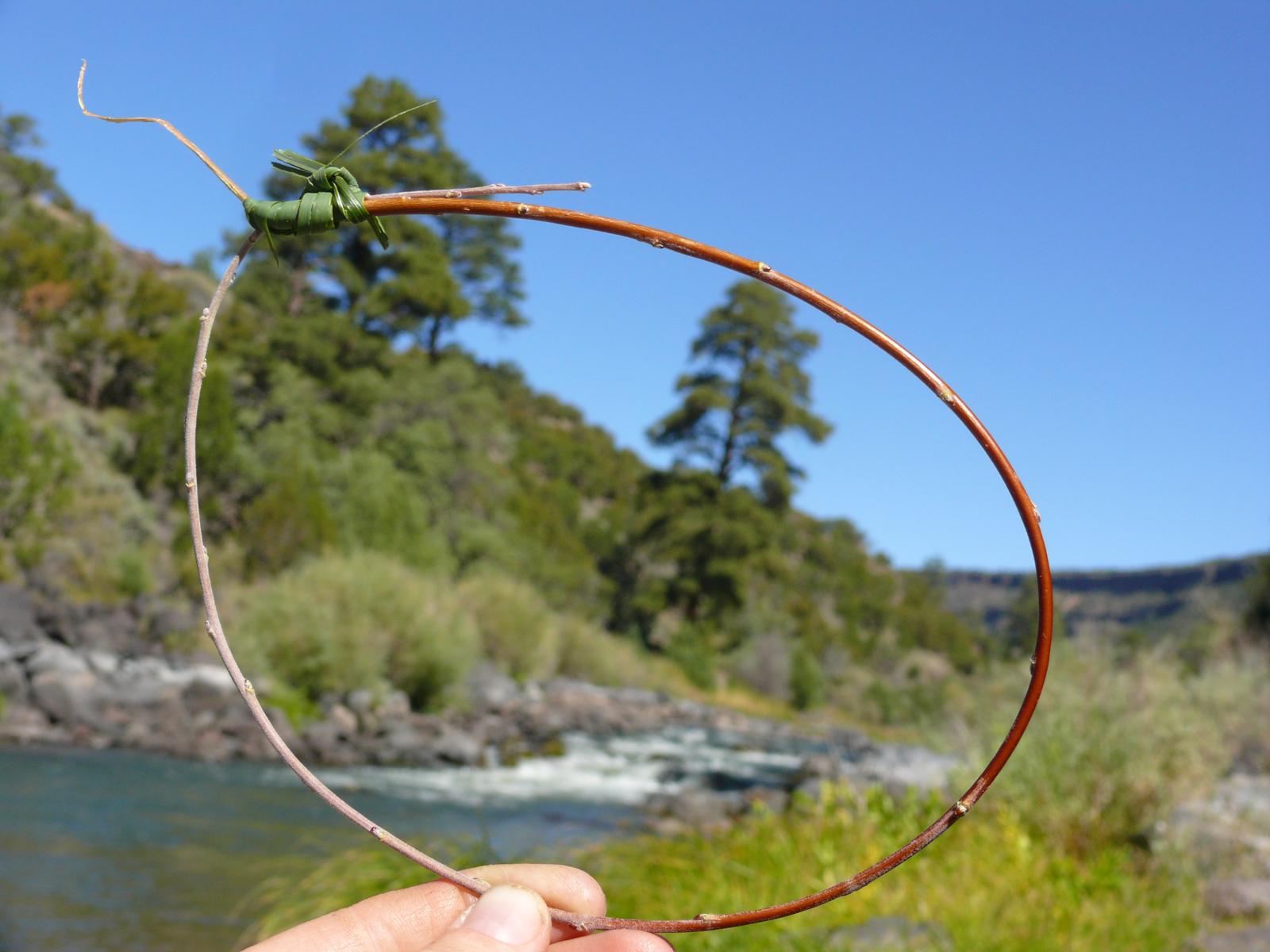
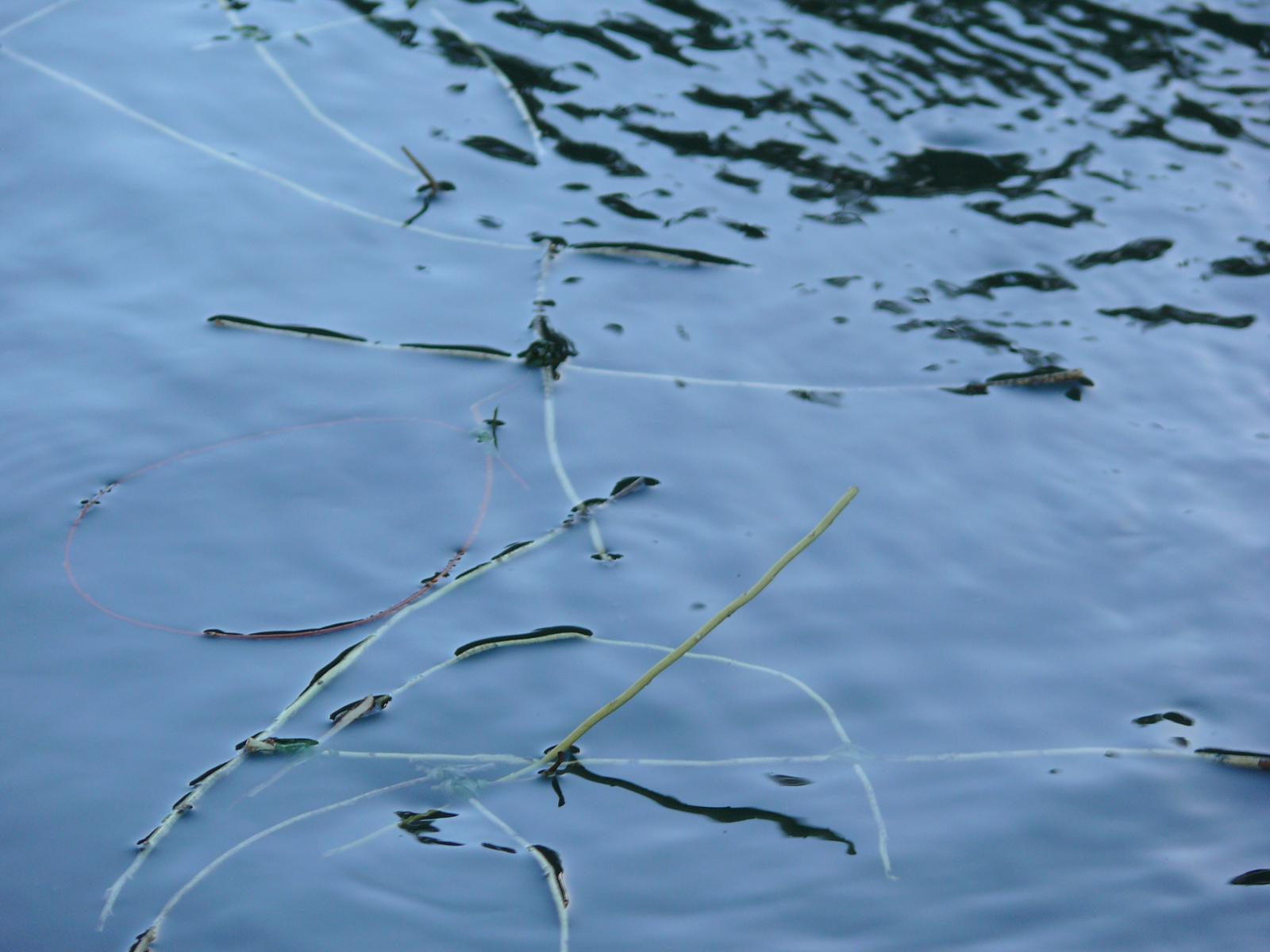
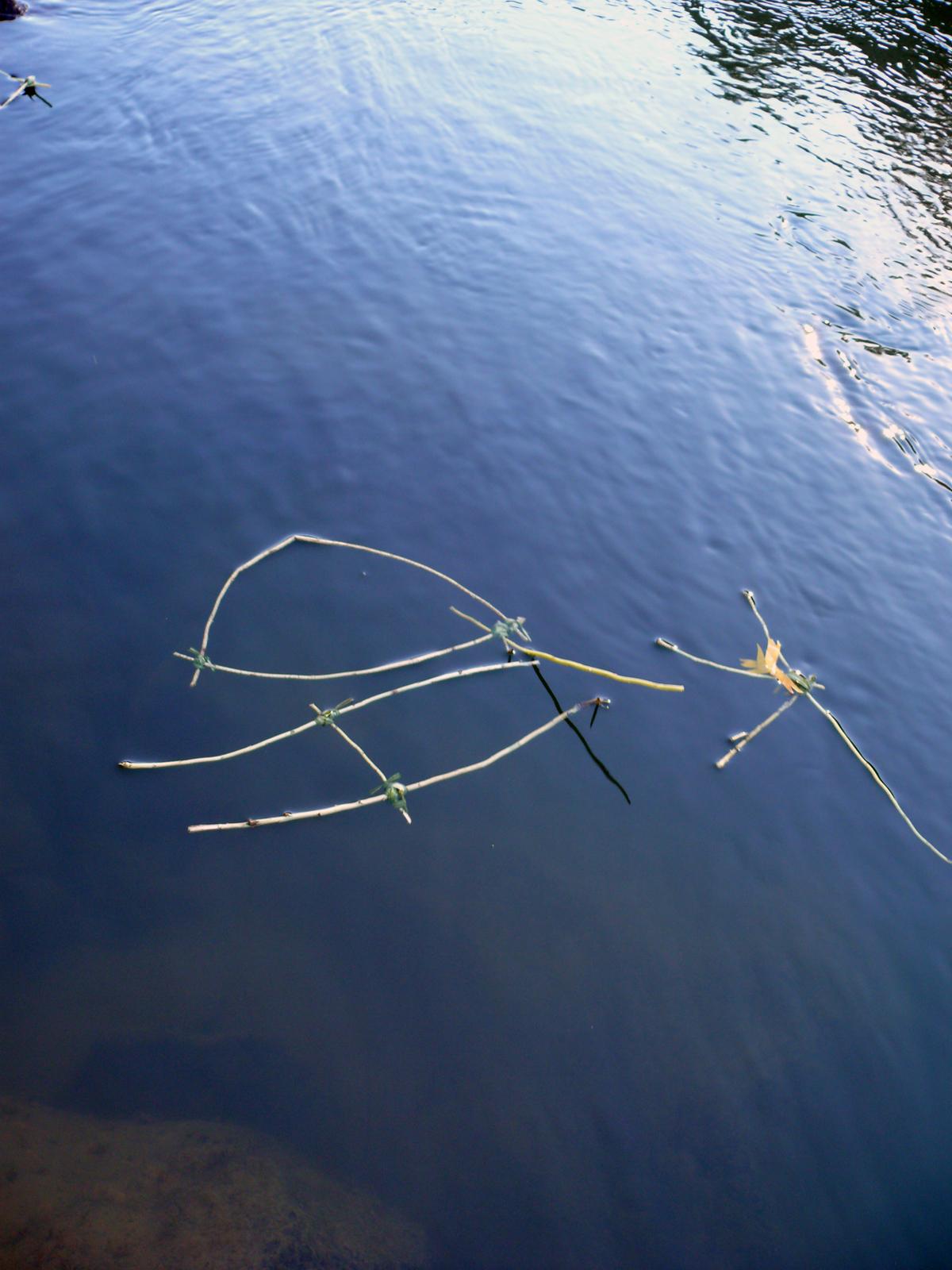
As a meager attempt to read the river I decided to make an alphabet of sticks to be tossed into the Rio Grande; hoping and wishing that the river would spell words out to reveal some secret knowledge.  Turns out the Rio doesn’t like to be told to “use your words” either. The stick letters I formed were swept away and jumbled into a gibberish medley. Unless I can decode these messages into something I understand, I will need to find a different approach to reading the river.

../../../Volumes/NO%20NAME/wildrivers/20160927_wildrivers_solo_hlm_hlm_
an O made with Willow

../../../Users/hollismoore/Desktop/20160927_wildrivers_solo_hlm_hlm_02
RPLoHIg floating down the Rio Grande, made with dried Rabbit Bush stems

../../../Users/hollismoore/Desktop/20160927_wildrivers_solo_hlm_hlm_02
HQk floating floating down the Rio Grande

In the meantime, I asked my Land Arts cohorts to write down in one word or two something they would like to say to the river. Our visiting artist, Ruth Le Gear, asked me to spell out “Love and Gratitude”. These are the healing words that artist Masaru Emoto uses to speak to water in order for it to form into crystals. I hope that someday I can ask the Rio Grande what it thinks of Love.


October 23, 2016

Rabbit Brush (Chamisa) Dye Bath

By Molly Zimmer, Kaitlin Bryson, Hollis Moore
Wild Rivers, NM

September 26, 2016

  1. Rusty Can Mordant with Tannic Acid from Chestnut Bark
    • Fill pot with 1 tbsp of vinegar for every cup of water
      1. Our pot holds 20 Cups of Water, and we used all the vinegar we had (approximately 13 tablespoons)
    • Add rusty objects and bring to boil
    • Boil for 60 to 90 minutes (over wood fire or propane stove)
    • Add fibers to mordant and boil for 60 minutes
    • Cool, Rinse and let Dry

Start: 11:00am
Stop: 1:00pm
Total: 2 hrs (1hr with mordant, and 1hr with fibers added)

Fibers Before Beginning Mordant and Dying Process (mix of animal and plant fibers)

Collected rusty can mordant at Wild Rivers: 2 pieces of rusty wire, one bottle cap, one rusty nail, one rusted metal strap, 2 newly opened aluminum cans

Added 3 Tbsp of Tannic Acid to Mordant Bath, Let Fibers sit for 5hrs in Solution

Resulting Dyed Fibers with Tannic and Rusty Can Mordant

      2.   Rabbit Brush (Chamisa) Dye Bath
  • Heat Rabbit Brush for 1hr in pot
  • Let sit overnight or all day
  • Re-heat dye solution with blossoms to extract all dye for 1hr
  • Strain out blossoms
  • Add dye fabric
  • Re-heat and boil with fibers for 1hr
  • Let sit for 24hrs in solution with fibers
  • Rinse and Dry

New Fibers (unmordanted) for Dye Bath

Collected Rabbit Brush from along the Roadside, and stripped off all the blossoms.

Rabbit Brush in Fire Golden Dye Solution
Fibers Boiling in Dye Solution

Resulting Rabbit Brush Dyed Materials


October 8, 2016

In middle of a science experiment

By Hollis Moore
Navajo Nation (Four Corners)
October 4, 2016


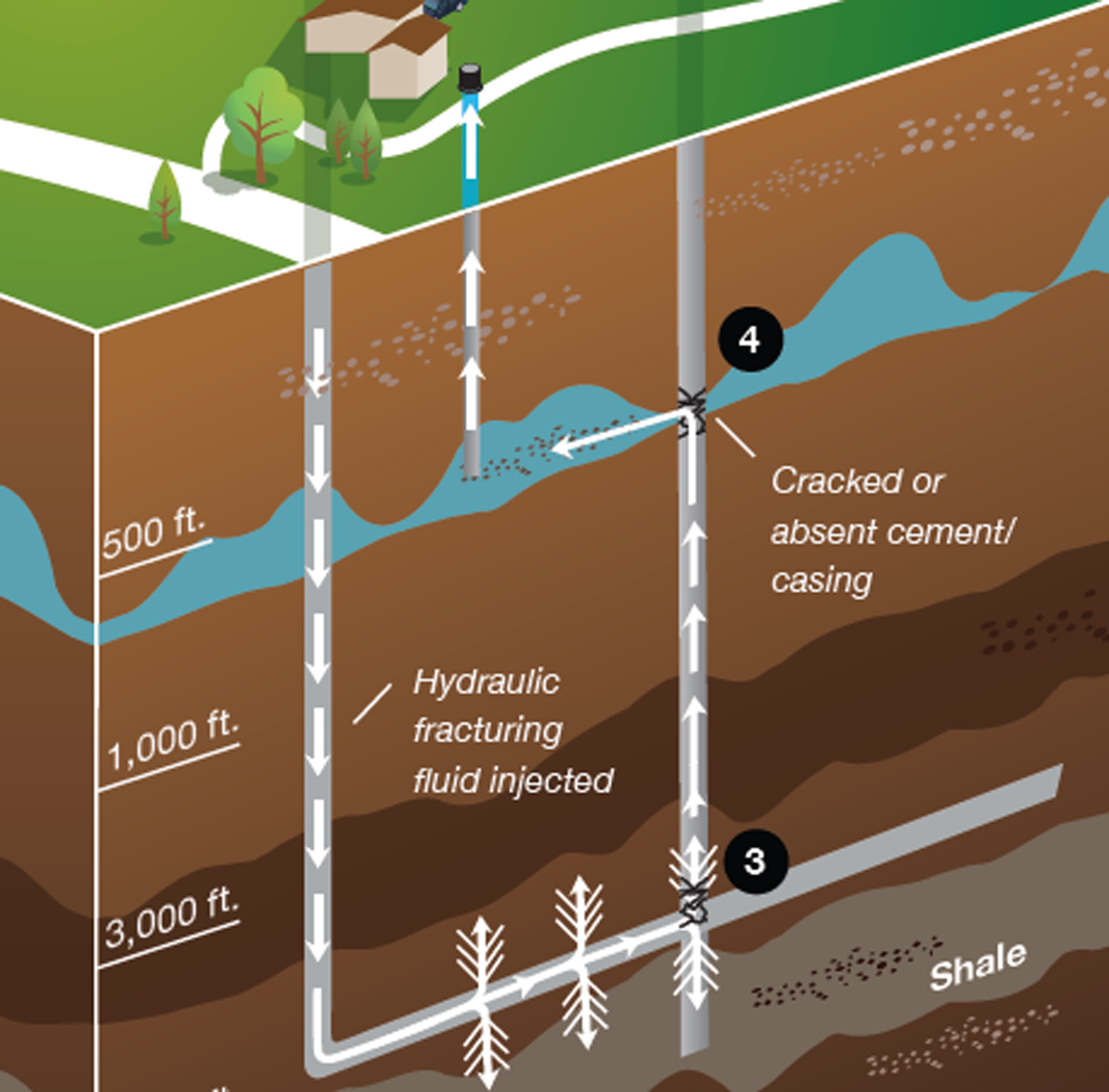
We spent a day touring the fracking sites in the Navajo Nation nearby Shiprock and Chaco Canyon. Hundreds of households in the Navajo Nation now have a fracking site as their neighbor. Unsightly, disturbingly loud, and powerful the fracking sites are aggressive signs of destruction on the surface of the landscape. I wanted to see an image of what the sites look like underground, in particular how the fracking wells carve through the water table.


Isn’t drilling through the water table way too risky? During our tour we met a family who had just experienced a disastrous explosion just recently on their property. They had to move out of the their home- a home that was passed down for many generations, where almost a dozen 11 people lived and  5 children. What if the explosion had happened in the water table? What if the well blew out and contaminated the drinking water? Or the pipes eroded?

In the West our aquifers are incredibly precious and quickly diminishing. If something were to happen the consequences would be catastrophic. What did we learn from the BP oil spill? An accident that BP sank into the depths of the ocean, hidden from sight, but ready to surface in the next hurricane. No company, no matter how large and powerful would be able to hide a leak in the water table.

In Terry Tempest Williams’ new novel, The Hour of Land, she revisits the Gulf of Mexico and writes an essay on the impacts of the BP oil spill on the environment. In her novel, Terry takes a tour of the Mobile bay with Tom Hutchins, a volunteer pilot.   Tom speaks to the idea that the fracture may actually be leaking from a fracture in the seafloor, not just the pipe. “Nobody knows, that's the bottom line. Nobody fucking knows anything. We are part of a damn science experiment.” (Chapter 12)

The fracking sites in Navajo Nation feel like science experience as well. They are popping up everywhere to coincide with each oil boom. How can proper preventative research possibly keep up? My heart breaks to think about a possible accident in the water table.

My hopes lie in Bears Ears National Monument proposal by the Inter-Tribal Coalition, which if passed will protect 1.9 million acres of public land from oil and gas development and leases, therefore securing an outstanding landscape, cultural heritage, and public health. The Bears Ears National Monument would the first National Monument managed by Native Americans.

October 2, 2016

Surrender

By Hollis Moore
Glen Canyon Dam/Lake Powell
September 14, 2016


20140109_glendam_solo_hlm_0094.jpg


20140109_glendam_solo_hlm_0071.jpg

20140109_glendam_solo_hlm_0077.jpg

20140109_glendam_solo_hlm_0081.jpg

20140109_glendam_solo_hlm_0122.jpg


September 28, 2016

Yucca Processing

Hollis Moore
Muley Point
September 14, 2016


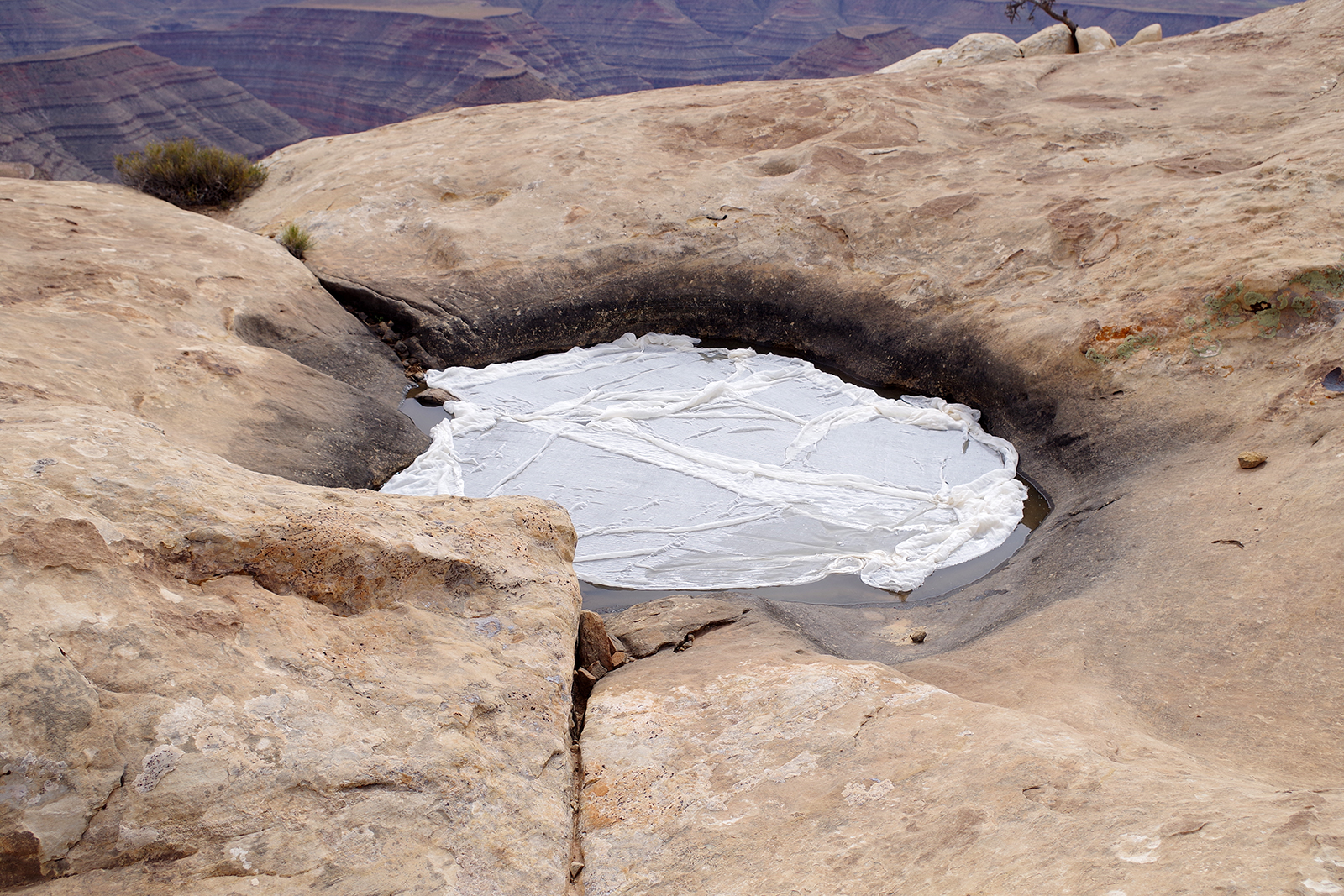
Jenn told us about the basin with the cottonwoods on top of Cedar Mesa. It took me a while to find it. I was so distracted by the edge. This is a place of “ghost water”. The salt cedars and cottonwoods give away the clue. Drinking up any visible water, they left a bare basin. A bowl for me to make a yucca print. A place to process the yucca fibers. A day to listen the sounds of my tool muddled by the wind.
20160909_muley_solo_hlm_hlm_0005.jpg
20160909_muley_solo_hlm_hlm_0037.jpg
20160909_muley_solo_hlm_hlm_0034.jpg

September 22, 2016

Collaborative Natural Dye Experiments


Molly Zimmer, Hollis Moore, Kaitlin Bryson
Headwaters
September 4, 2016


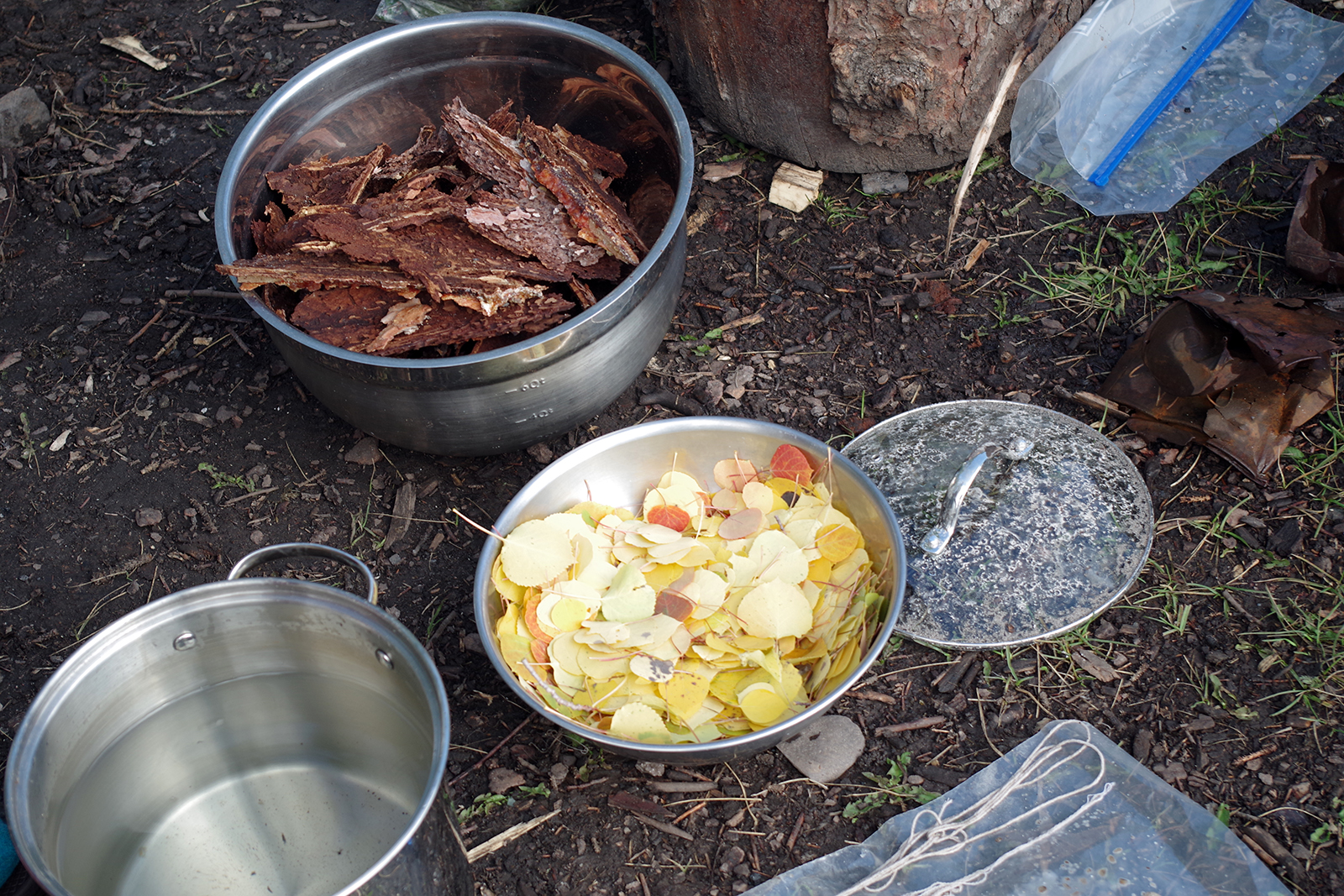
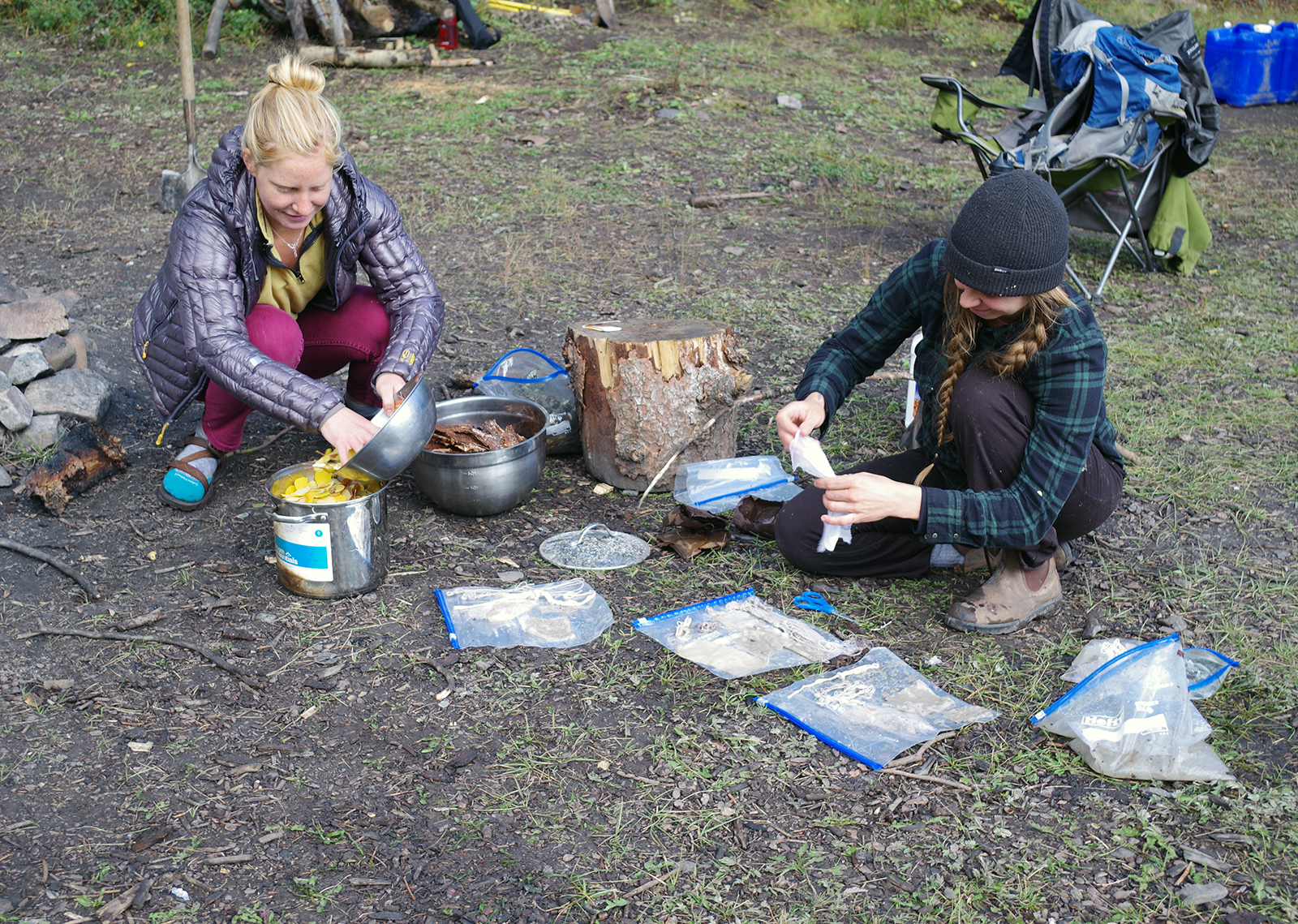
Dye Bath Experimentation with Naturally Collected Materials:
  1. Yellow Aspen Leaves
  2. Damaged Douglas Fir Bark from Bark Beetles
  3. Lichens from nearby Rocks and Ground


Mordants:
  1. Found rusty tin cans
  2. Wood ash from the fire
  3. Soda ash
  4. Tinajas and existing minerals


Materials:
  1. Alpaca lace wool
  2. Cheese cloth
  3. Linen
  4. (paper ?)
  5. Cotton thread


Thoughts on dye bath experiments:

It is a special experience to walk through a landscape collecting (and knowing) plants who produce a spectrum of colors.  Natural dying feels a bit like chemistry and alchemy, though it is grounded in a very intuitive-based thinking.  Each one of us are fascinated with color and with expressions of the land -- using the color from the environments we travel through speaks softly but directly to that place.  We are excited about exploring the possibilities that the plants hold, along with learning more about the traditions of natural dying, and even more excited about the blossoming collaboration between the three of us.  Stay tuned.  

Collected Bowls of Natural Dye Materials


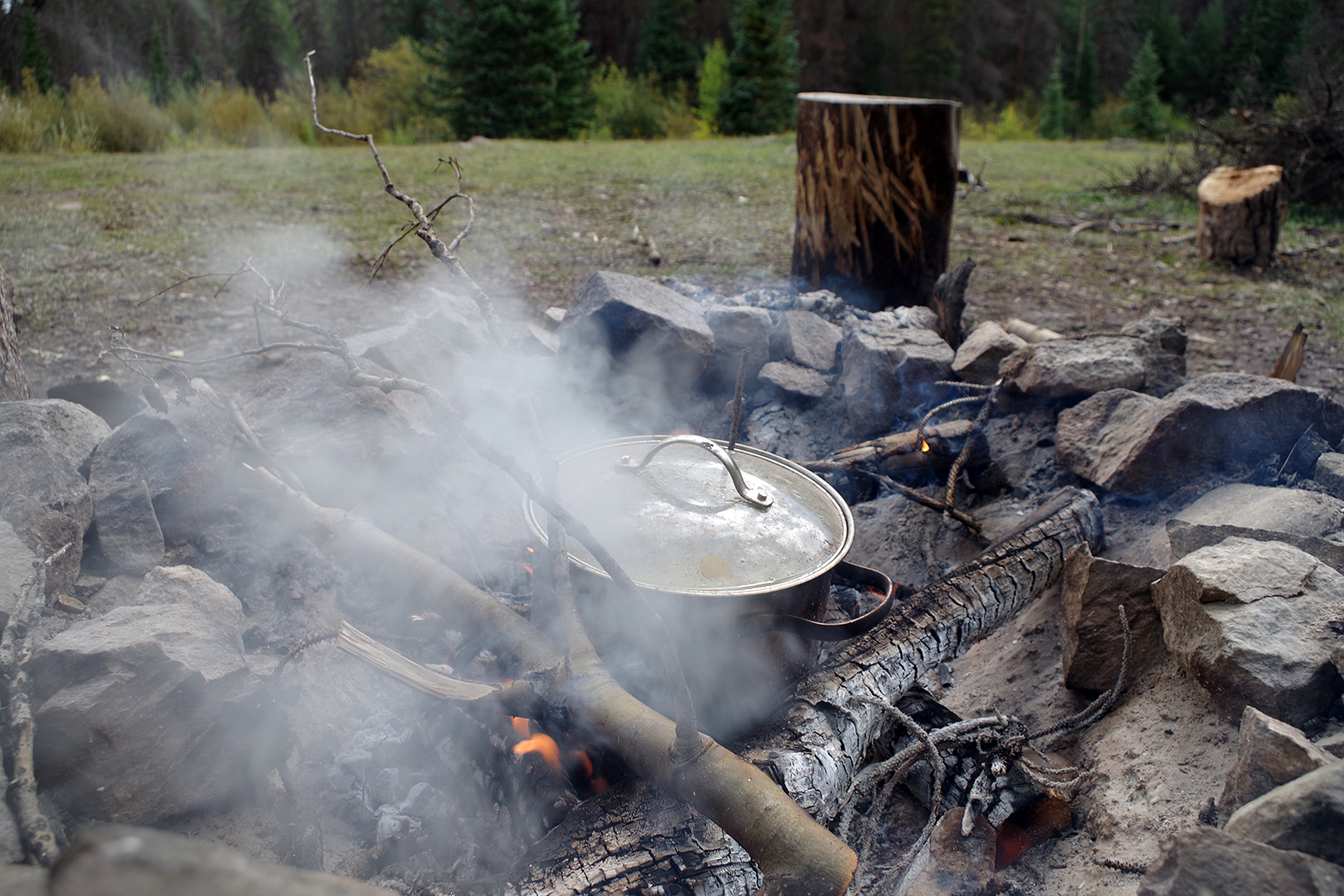
Aspen Leaf Dye Cooking in Fire


Hollis Moore and Kaitlin Bryson Working with Dyes

Natural Tinaja for Mordanting Fabric


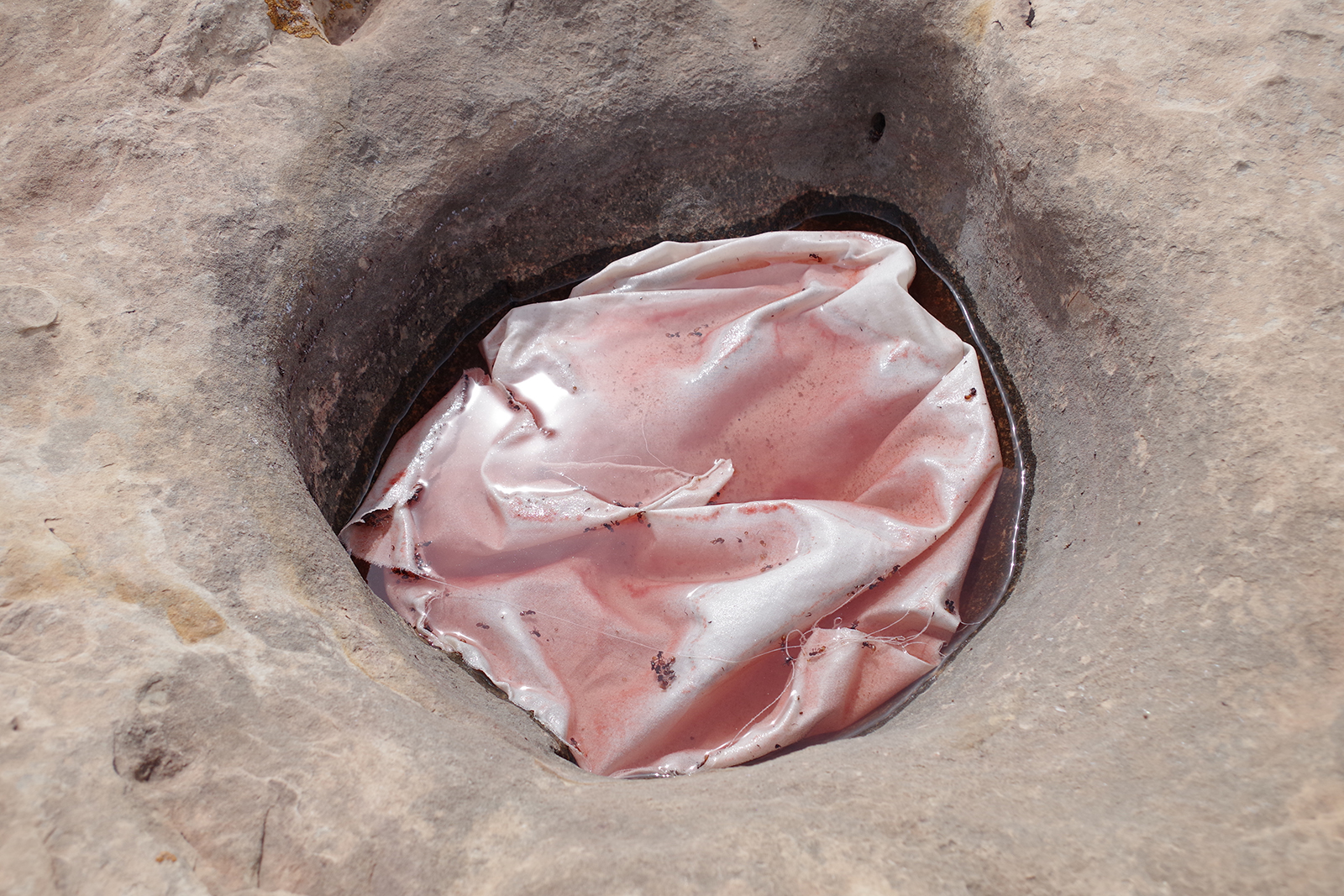
Small Tinaja for Mordanting